LONGi Green Methanol
LONGi is transforming agricultural waste into low-carbon methanol at its Lianyungang project
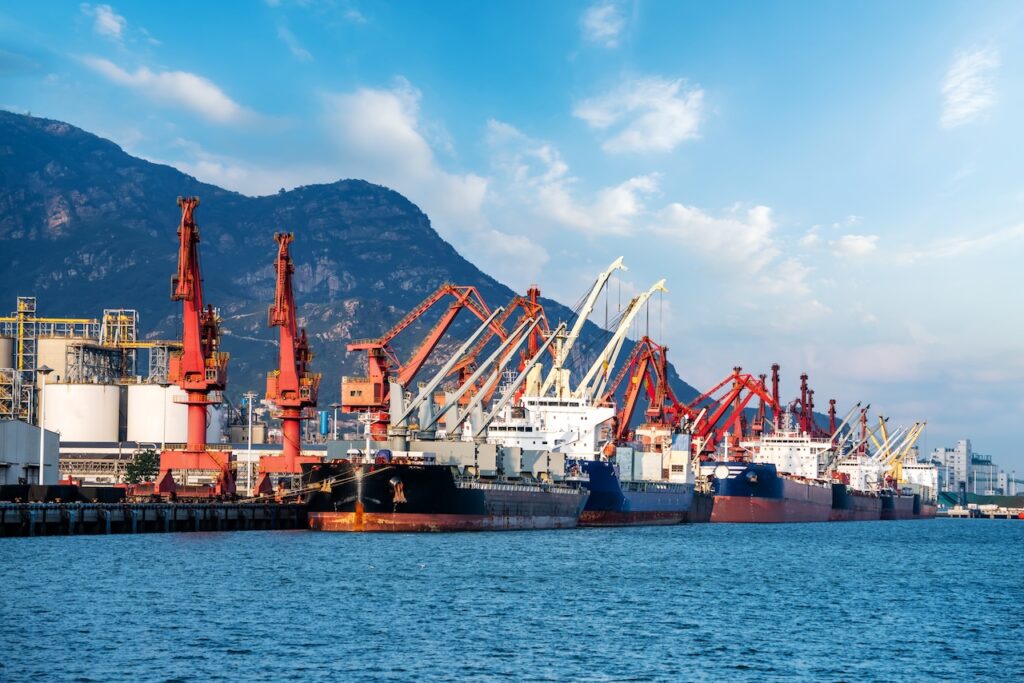
As one of the world’s leading solar suppliers, LONGi has already transformed the way the world generates electricity. Now, by converting agricultural residues into low-carbon methanol, the company is seeking to create a new model that connects China’s abundant renewable resources with its farming communities and global shipping markets. The Lianyungang project is the most advanced of its kind in China, and provides a model that could be replicated in other markets.
| KEY FACTS | |
|---|---|
| Official project name | LONGi Green Methanol – Lianyungang Project (LONGi holding) |
| Location | Lianyungang Port, Jiangsu Province, China |
| Project stage | Final Investment Decision (FID) passed |
| Sector | Chemicals, methanol |
| Total Project investment of phase 1 | ¥1.85 bn |
| Jobs | N/A |
| Scale | 180,000 tonnes per year of biomethanol |
| Key milestones | • 2018 – LONGi identified renewable consumption challenge • 2021 – Establishment of LONGi Hydrogen as subsidiary of LONGi green energy, focus on green hydrogen electrolyser equipment •2022 – Formation of green methanol team and pilot project on biomass atmospheric fluidised bed gasification successfully completed • 2023 – Obtained ISCC feedstock certification • 2024 – Signed a long-term Sale and Purchase Agreement (SPA) with a global shipping company and piloted pressurized fluidized bed biomass gasification • 2025 – Pilot project on pressurized biomass gasification successfully completed and Lianyungang project passed FID |
From solar to fuels: a new chapter for LONGi
Founded on solar power, LONGi has grown into a global renewable leader supplying over 80 GW of solar cell and modules in 2024 and with operations spanning Asia and beyond. It has consistently held the world’s top ranking in solar wafers and modules, with its Hi-MO product line now in its ninth and tenth generation.
As renewable costs fell, LONGi’s leadership recognised early that new uses were needed for this surplus power. Hydrogen was the first step, with the company setting up an electrolyser subsidiary in 2021, and with a strong belief that green methanol is currently one of the most economically viable applications of green hydrogen.
The Lianyungang project
The Lianyungang facility is currently the most advanced of three large-scale methanol projects being developed by LONGi. Situated at a strategically located port on China’s east coast, the plant will turn agricultural residues into methanol. The location combines several advantages:
- Proximity to feedstock: Surrounding farming regions produce vast quantities of wheat and rice straw, as well as forestry and wood-processing waste. Rather than being discarded or burnt, this material can become a valuable input.
- Transport links: Lianyungang is a major seaport with rail and river access, allowing efficient movement of feedstock and exports of finished methanol.
- Industrial base: The region hosts a strong chemicals and energy sector, providing access to skilled labour, suppliers, and contractors.
This project will require around 800,000 tonnes of biomass each year, sourced from tens of thousands of small farmers. For rural households, this presents a new income stream while for LONGi it will secure reliable supply and ensuring compliance with sustainability standards, while embedding the project in the local economy.
Why green methanol?
Methanol is a versatile, widely traded and increasingly in demand chemical and fuel. The International Maritime Organization (IMO), which regulates the global shipping sector, is about to introduce new standards that penalise fossil shipping fuels and incentivise cleaner alternatives. As a result, demand for alternative marine fuels such as methanol and ammonia is expected to grow significantly. LONGi cites the maritime data intelligence company, Clarksons, reports that more than 300 methanol ship orders have been placed worldwide as an indicator of future demand. For LONGi, producing green methanol provides a new source of revenue by monetising China’s renewables capacity, links agriculture to clean energy and positions itself as a leader in a fast-growing international market.
First mover advantage and local partnerships
LONGi was among the first companies in China to develop a commercial-scale green methanol project. Entering the field early has given the company a valuable head-start in building expertise, testing technologies and shaping the emerging market. Its successful pilot on biomass gasification technology provided practical experience that few competitors have yet achieved. This early-mover position enables LONGi to influence technical standards, build credibility with regulators and customers, and shape early supply chains.
The project has benefited from strong partnerships to reduce risk and lay the foundations for scale:
- Regional authorities supported land use rights, permitting and logistics coordination at Lianyungang Port. Their early backing has been essential in moving the project forward.
- Individual farmers provide the backbone of the feedstock supply. Since Chinese agriculture is highly fragmented, engaging with thousands of small farmers through trusted intermediaries is the only way to secure the 800,000 tonnes of residues required each year.
- Industry and technology partners have contributed expertise to help adapt processes – balancing intermittent renewables supply with the continuous needs of methanol production.
- Financial and strategic partners are being consulted to prepare for FID and ensure bankability of the project.
E-methanol production requires intermittent renewable energy, while the chemical process requires stable conditions. This contrast necessitates the development of new, practical solutions. As first-movers, we have gained a great deal of expertise in designing processes and developing projects accordingly.
— Liu Tao
VP of Green Methanol, LONGi
Technological breakthroughs
LONGi took three years to develop fluidised bed gasification. This process had not been perfected for methanol production at scale before and uses pure oxygen rather than air. The company was also able to improve carbon conversion rate from 90% to 98%, a breakthrough for non-fossil fuel gasification. Following the successful pilot they now have practical operating experience and data that they believe will be critical to achieving FID.
Lessons learnt
Several key insights emerge from LONGi’s experience:
- Location is key to success: Projects succeed when feedstock, infrastructure and markets align in one place.
- Partnerships are crucial: Early engagement with the government, farmers and industry partners reduces risk and accelerates delivery.
- Economic factors outweigh climate considerations: Renewable fuels will only scale if they are commercially viable; climate benefits are important, but secondary to cost competitiveness.
- First movers shape the industry: Entering early builds operational expertise, credibility with regulators and influence across emerging value chains.
- Integration is complex but rewarding: Balancing intermittent renewables with stable chemical processes requires innovation, but creates invaluable expertise.
Looking ahead
The Lianyungang Green Methanol Project is expected to be operational by the Q1 of 2028. Once operational, it will be one of the largest biomass-based methanol projects in China, combining renewable energy with agricultural supply chains on an industrial scale. Plans for the next plant in Inner Mongolia are over twice this size at 400 ktpa of bio-e-methanol.
For LONGi, this project represents a step beyond solar and hydrogen, marking a broader involvement in the global energy transition. For the region, the project will generate new income for farmers and create jobs in construction and operations, while also playing a part in shaping a new energy economy.