CBI Ghana Calcined Clay Project
Pioneering Low-Carbon Cement in Africa, CBI Ghana built the world’s largest flash calciner to set a new global standard for clinker-content LC3 cement at its Tema facility.
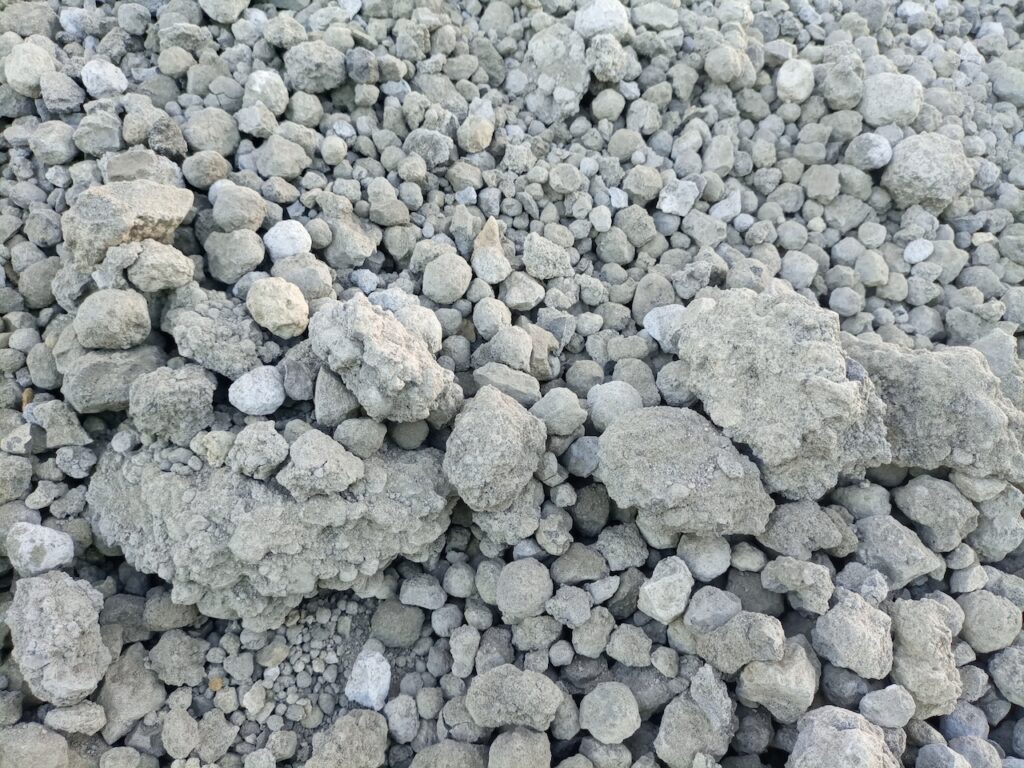
Africa is the fastest growing continent for the production of calcined clay in cement, a sustainable alternative to emission-intensive clinker. CBI Ghana has spearheaded a transformative project that supports cement decarbonisation, and affordable housing. With the launch of the world’s largest flash calcination facility, the company successfully broke through technical, regulatory and market challenges, elevating the region as a model for sustainable construction materials.
| KEY FACTS | |
|---|---|
| Official project name | CBI Ghana LC3 |
| Location | Tema, Ghana |
| Project stage | Operational |
| Sector | Cement |
| Capacity | 400,000 tonnes per year of flash calcined clay |
| Investment | $80 million |
| Jobs | 115 employees, 300 jobs created during construction phase |
| Key milestones | • Company founded in September 2016 • Started clinker grinding station in 2019 • Signed the EPC contract for flash calciner in April 2022 • Ghana’s GS PAS 5:2024 became one of the world’s first LC3 standard in May 2024 • Calcined clay production started in May 2025 |
Project and Company Vision
Founded in September 2016, CBI Ghana first established itself as a local supplier of imported cement and then developed into a grinding facility using imported clinker. With limited limestone reserves and high import costs, the company sought alternative cementitious materials. After reaching full capacity at its grinding station, CBI Ghana began exploring alternatives to clinker. With no local production of slag or fly ash, calcined clay emerged as the most viable alternative, leading to an initiative born out of both economic necessity and environmental ambition. By 2021, CBI had identified suitable clay deposits through extensive sampling and invested in advanced testing equipment such as a $300,000 X-ray diffraction (XRD) analyser (allowing for specialised analysis of the structural configuration of materials). This rigorous approach enabled the company to define reserves and validate clay suitability for large-scale production.
Because clinker imports are very expensive in Africa, the very first drive of this project was economic.
— Frédéric Albrecht
Managing Director of CBI Ghana
Technological Innovation and Implementation
CBI Ghana opted for a flash calciner technology over the conventional rotary kiln, prioritising high product quality and therefore better substitution potential. The flash calciner, capable of processing 400,000 tonnes annually, offers precise temperature control and enhanced reactivity of the clay. This decision marked a significant first-mover risk, as such scale had not been attempted before. CBI Ghana also wanted to demonstrate it could sell the calcined clay as a standalone product and not only in blended cement which further encouraged a large production capacity.
For flash calcined clay, there is not yet the level of economies of scale that you would have for clinker. But when we reach for plants with million tonnes capacity, we’ll start to be more cost-competitive against clinker.
— Frédéric Albrecht
Managing Director of CBI Ghana
The plant was constructed over three years and began operations in March 2025. Within three months, the local team had mastered operations, demonstrating the project’s commitment to local capacity building.
Regulatory Strategy and Standards Leadership
One of the project’s most notable achievements is its leadership in regulatory reform as CBI Ghana collaborated with the Ghana Standards Authority to revise cement norms. This led to the establishment of the world’s lowest clinker content standard for LC3 cement at 35%, a significant milestone in sustainable construction.
Today, Ghana has the standard with the lowest authorised clinker content for LC3 cement of 35%, while Europe is still at 50%.
— Frédéric Albrecht
Managing Director of CBI Ghana
This was achieved through extensive testing, including sending 5,000 tonnes of material to Denmark for pilot calcination and durability assessments. This breakthrough paves the way for broader revision of cement standards in the region and the company is now advocating for pan-African standards to facilitate the adoption of low-clinker cement formulations.
Market Dynamics and Competitive Landscape
Ghana’s cement market is characterised by intense competition and logistical challenges. With over 15 players in an 8-million-tonne market, CBI Ghana faces fierce competition. Despite this, the company maintains a strong market position through quality, compliance, and strategic partnerships. Heidelberg Cement, a 50% equity partner, provides offtake stability and market reach. The project substitutes 400,000 tonnes of clinker annually, with plans to scale production to meet Ghana’s projected demand of 10–12 million tonnes by 2030.
Ghana will need around 1.6 million tonnes of additional clinker in the next five years. Instead of just growing our imports, it makes more sense to produce calcined clay locally.
— Frédéric Albrecht
Managing Director of CBI Ghana
The project also highlights the importance of education and market engagement. CBI Ghana has focused on producing a cement product that closely resembles traditional offerings in colour and performance, minimising disruption for customers. The company continues to invest in awareness campaigns and technical support to facilitate adoption.
Education is very important. We need support to educate the market on the usage of LC3 cement. Customers want continuity, that’s why we try to sell a product with very similar properties.
— Frédéric Albrecht
Managing Director of CBI Ghana
Economic and Environmental Impact
The economic rationale for calcined clay in Africa is compelling. Clinker imports are not only costly but also subject to high port fees and logistical challenges, with some shipments coming from as far as the Middle East and South Asia. By substituting clinker with locally sourced calcined clay, CBI Ghana reduces costs and mitigates foreign exchange risks. The company estimates a reduction of 381,000 tons of CO2 annually, with potential to scale this impact significantly as demand grows. These savings are traceable and verifiable, positioning the project for carbon credit eligibility.
There is a lot of interest from young African countries to move very fast, which is a good environment for calcined clay.
— Frédéric Albrecht
Managing Director of CBI Ghana
Financing and Investment Structure
CBI Ghana’s financing model combines local debt with international equity. The project is financed through local banks, export credit agency with equity contributions from Heidelberg, F-Scott AG, and development finance institutions IFU (Denmark) and Norfund (Norway). The debt-equity ratio is approximately 50:50. Despite the high cost of capital in Africa, with typical interest rates above 10%, the project secured funding based on its robust business case and strategic importance. When maturing the project, investors trusted CBI Ghana’s ability to change the local cement standard and to access the market.
Carbon Credit Mechanisms and Regional Scalability
CBI Ghana is actively pursuing carbon credits under Article 6.2 and voluntary markets. Carbon credits are tradable certificates representing abatement or removal of CO2 emissions. Projects such as reforestation or clean cookstoves can generate credits and sell them to international buyers seeking to offset their emissions. This mechanism can financially support decarbonisation projects but calcined clay is not yet recognised in any of the international carbon markets.
The company collaborates with IFC, World Bank, and Climate Works to develop targeted methodologies for calcined clay projects. The company also advocates for volume-based incentives and real-time tracking of emissions reductions that reward actual production and CO2 reduction, rather than upfront subsidies. Since regulatory mandates are unlikely in Africa, market-based mechanisms are even more essential for adoption.
If we get a $25/tCO2 carbon credit, we could probably green-light five to ten calcined clay projects in the next two years.
— Frédéric Albrecht
Managing Director of CBI Ghana
With proven technology, market acceptance and the potential support of carbon credits, CBI Ghana is now exploring expansion across the region. The company controls its clay quarries to ensure quality and is developing a pipeline of prospective projects. The company envisions scaling to 1 million tonne plants, achieving economies of scale comparable to clinker. This shift from clinker to powder-based cementitious production could reshape the industry and support sustainable development across the continent.
Clinker will not go out completely, but in 10 years, maybe, the industry will transform more into a powder business where clinker will be traded like other types of cementitious materials.
— Frédéric Albrecht
Managing Director of CBI Ghana
Conclusion
The CBI Ghana Calcined Clay Project exemplifies innovation, resilience, and leadership in sustainable cement production. By addressing technical, regulatory, and market challenges, the company has created a replicable model for low-carbon cement in Africa. With continued support from partners and policy frameworks, calcined clay satisfies all the criteria to become a cornerstone of the continent’s infrastructure future.