Hydro Alunorte
Hydro Alunorte, the world’s largest alumina refinery, is using fuel switching, electrification powered by Brazilian renewables, and biomass integration to drive deep emissions cuts.
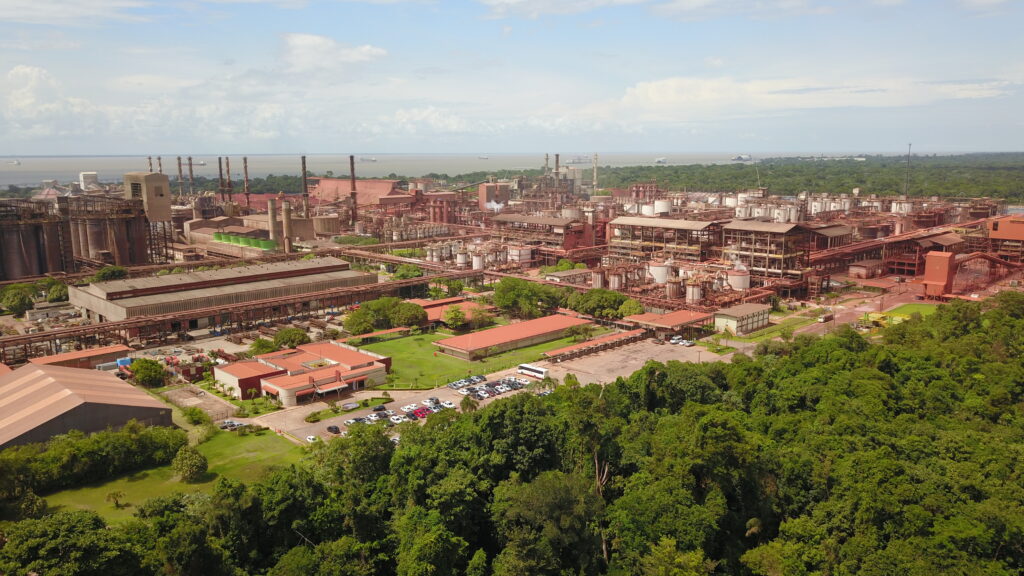
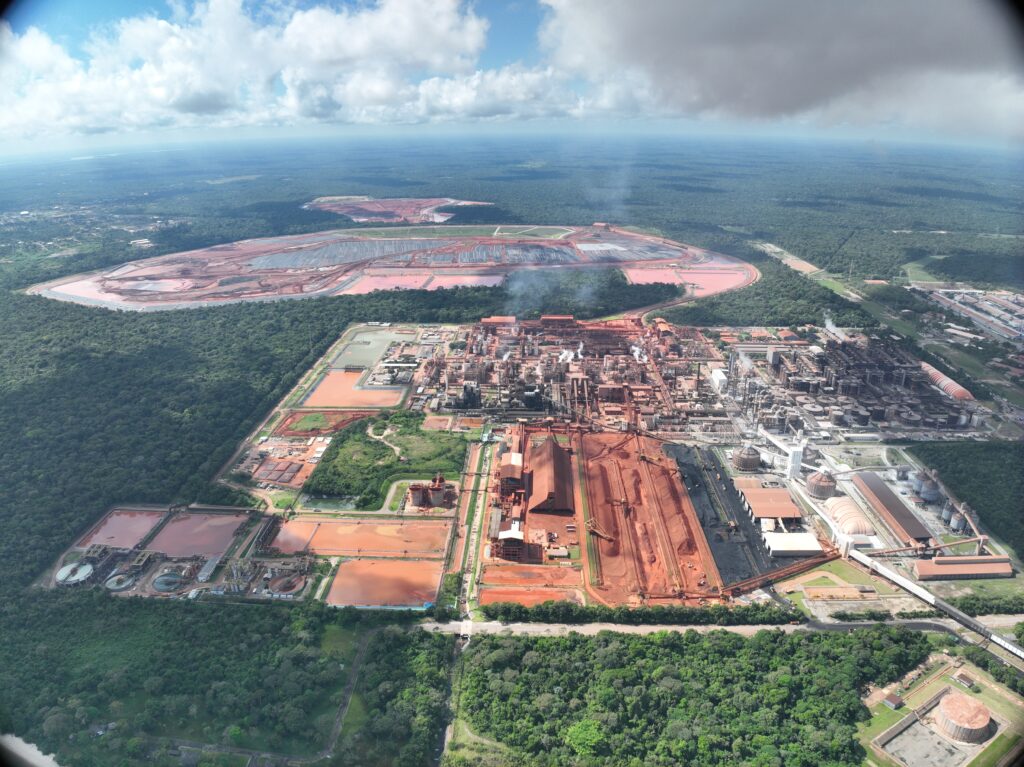
Hydro Alunorte, the world’s largest alumina refinery, is pioneering a scalable approach to industrial decarbonisation. Located in Pará, Brazil, the site is implementing a multi-pronged strategy that includes fuel switching, electrification, biomass integration and renewable power procurement. This results in one of the lowest-carbon alumina production sites globally and cleaner air for local people. Rather than waiting for perfect conditions, Hydro Alunorte demonstrates how a pragmatic approach, taking incremental, economically viable steps, can drive meaningful emissions reductions today while laying the groundwork for deeper transformation by 2040.
| KEY FACTS | |
|---|---|
| Official project name | Hydro Alunorte |
| Location | Barcarena, Pará, Brazil |
| Project stage | Multi-phase implementation underway |
| Sector | Alumina refining |
| Capacity | 6.3 million tonnes per year of alumina |
| Key milestones | • Final Investment Decision for liquefied natural gas project (LNG) in 2021 • First electric boiler commissioned in 2022 • 20-year 650GWh per year solar PPA signed in July 2022 • 1.5 TWh (terawatt-hour) per year wind PPA signed in August 2023 • Started fuel switch from fuel oil to natural gas in 2024 • Commissioning of two additional electric boilers in January 2025 • Full phase out of fuel oil announced in June 2025 • Electric calcination pilot planned before 2030 |
Pragmatic progress over perfection
Hydro Alunorte’s decarbonisation journey is guided by the principle: “Best is the enemy of better.” Rather than waiting for ideal conditions or breakthrough technologies, the company is focused on what can be done now with available technologies and within existing constraints.
The company’s leadership has been instrumental in embedding climate ambitions into the core of Hydro’s operations. This top-down commitment has translated into tangible investments, with Alunorte emerging as the focal point for Hydro’s most impactful carbon abatement projects. The refinery offers the highest return on investment in terms of CO₂ reduction per dollar spent, making it a strategic priority within Hydro’s global portfolio.
The site consumes over 14 TWh of energy a year, equivalent to 4–5% of Brazil’s energy and operates in a region with limited grid capacity. Full electrification would require 1,500 MW of power supply while the original grid allowance of the site was 110 MW. Making such a quick shift was not practical, but a phased approach is enabling steady progress:
- Fuel switch from fuel oil (2/3 of energy mix) to natural gas
- Electrification: Three 60 MW electric boilers installed, with more planned.
- Biomass: waste from açaí seeds, a type of fruit produced in abundance in Pará, now replaces part of the remaining coal use.
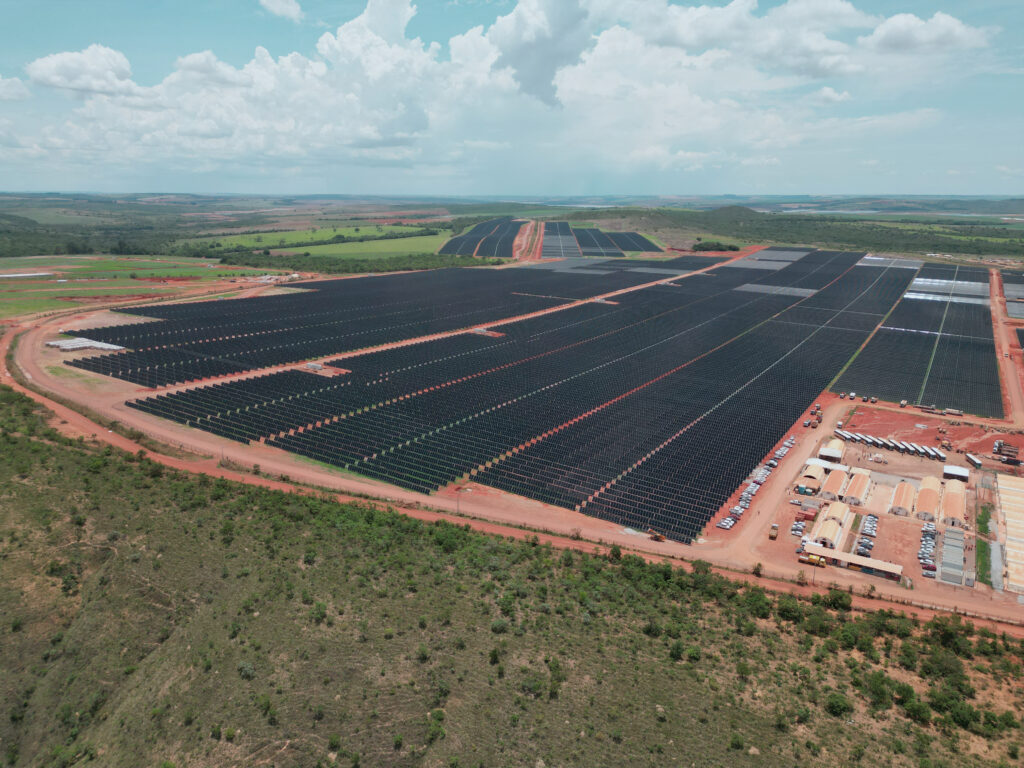
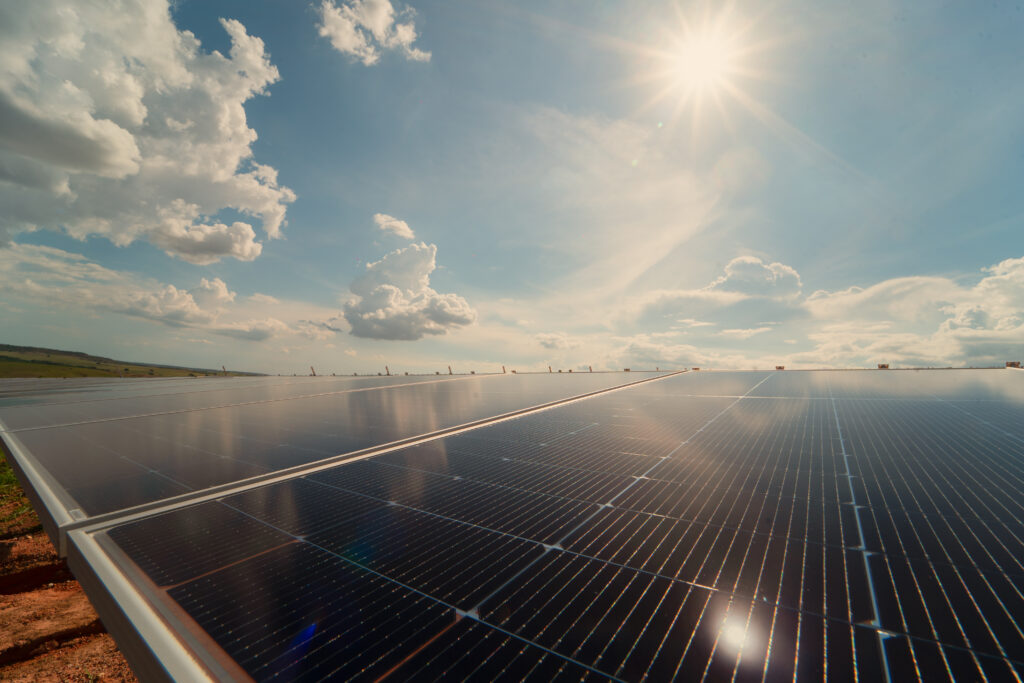
- Renewables: Long-term PPAs for wind and solar covering 100% of electricity demand.
We can’t wait 15 years for grid capacity to electrify everything. We’re doing what we can today to move forward.
— Sandy Sutherland
SVP of Strategy, Energy and Sourcing at Hydro Alunorte
Transitioning from oil to gas
The transition from oil to natural gas was a foundational step in this journey. Historically, Alunorte was Petrobras’s largest oil customer in South America, with oil comprising two-thirds of its energy mix. The switch to gas not only slashed CO₂ emissions by 700,000 tonnes annually but also delivered significant co-benefits for local air quality. Sulphates dropped by 70%, nitrates by 40%, and particulate matter by 30%, reinforcing Hydro’s role as a responsible industry in the Barcarena region. These improvements are particularly meaningful given the proximity of the refinery to growing urban populations, a dynamic that underscores the importance of industrial decarbonisation for both global and local stakeholders.
Carbon is the global challenge, but there are also impacts on local air quality. We need to be good neighbours as much as good global citizens.
— Sandy Sutherland
SVP of Strategy, Energy and Sourcing at Hydro Alunorte
Low-Carbon Power: a Brazilian advantage
Brazil’s grid is 92% renewable, powered by hydro, wind, and solar. Hydro Alunorte has secured two 20-year PPAs (one wind, one solar) to lock in low-cost, low-carbon electricity. Even without these contracts, grid electricity in Brazil is among the cleanest globally.
This structural advantage enables cost-effective electrification. The electric boilers, sourced off-the-shelf from Norway, are 98% efficient and already reducing reliance on coal. Hydro is planning to install two additional units, further enhancing the site’s flexibility and resilience.
We’re lucky in Brazil. We have cheap, clean power. That makes electrification not just possible, but profitable.
— Sandy Sutherland
SVP of Strategy, Energy and Sourcing at Hydro Alunorte
Turning biomass waste into fuel
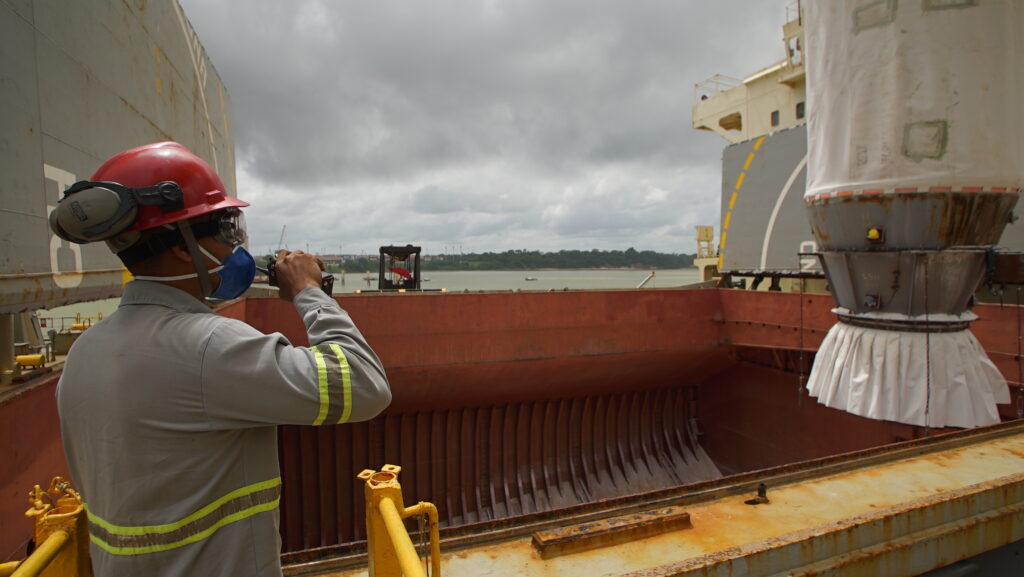
In a unique circular economy initiative, Hydro Alunorte is co-firing açaí kernel, a byproduct of Pará’s massive açaí industry, with coal. In 2025, 140,000 tonnes of açaí kernels were used, replacing a fourth to a third of remaining coal consumption. The operations yield multiple benefits:
- Utilises local waste that would otherwise go to landfill
- Reduces reliance on imported coal from Colombia
- Requires no major infrastructure changes
Plans are underway to retrofit existing coal boilers for 100% biomass compatibility.
It’s a great opportunity to decarbonise using a local resource, with minimal CAPEX as we are able to utilise our existing boiler infrastructure.
— Sandy Sutherland
SVP of Strategy, Energy and Sourcing at Hydro Alunorte
Economics and incentives
Hydro Alunorte’s decarbonisation steps are largely self-financed and economically viable:
No direct green premiums yet for low-carbon alumina are being charged, but cost savings from cheaper energy sources support the business case
- Fuel switch to gas: ~$200 million, externally financed
- Electric boilers: ~$60 million, financed on balance sheet
- Biomass integration: low capital expenditure and attractive operational costs
- No direct green premiums yet for low-carbon alumina are being charged, but cost savings from cheaper energy sources support the business case
While Brazil offers limited upfront grants, Hydro Alunorte benefits from tax agreements that encourage environmental initiatives and has secured favourable financing in USD due to its export-oriented business model. Many of Alunorte’s investments are made without relying on future carbon taxes, precisely because their timing and scope remain uncertain. Following its investments, the plant has maintained and even improved its competitive position within the first quartile of the global cost curve.
Looking ahead: electric calcination and beyond
Hydro Alunorte’s gas supply contract runs until 2038, providing a clear timeline for the next transformation phase: electric calcination. This aligns with the natural asset replacement cycle and avoids the need for speculative investments based on uncertain carbon pricing.
The company has signed a letter of intent with Australian firm Calix to pilot electric calciners, aiming for full deployment by 2040. This would eliminate the last major source of fossil emissions from the refining process. Hydrogen combustion was also evaluated but deemed less economical due to energy losses and high CapEx.
Moving to Electric boilers wasn’t a technological breakthrough on our behalf. They arrived shrink-wrapped from Norway. It’s off-the-shelf tech anyone can use.
— Sandy Sutherland
SVP of Strategy, Energy and Sourcing at Hydro Alunorte
Policy and regulation
Within the aluminium value chain, the decarbonisation of alumina presents a clear potential as it relies on technically and financially proven technologies. Reducing direct emissions from primary smelting requires expensive or commercially immature options such as inert anodes and process CO2 capture.
While alumina is currently excluded from CBAM, Hydro advocates for its inclusion, arguing that it would reward early movers and discourage the proliferation of coal-based greenfield refineries, which could enjoy an unfair cost advantage. Transparency and data verification are emerging as critical enablers of this transition.
Each step we’re taking for alumina decarbonisation in the next five years is proven available technology. There is no leap of faith or need for a technological breakthrough so we know the outcome and financials when we sign off on the project. Conversely, when we move to the smelting process, they have already taken all the steps they can with available technology, so the next big step requires proving new technologies such as inert anodes or process CCS.
— Sandy Sutherland
SVP of Strategy, Energy and Sourcing at Hydro Alunorte
Lessons learnt and scalable insights
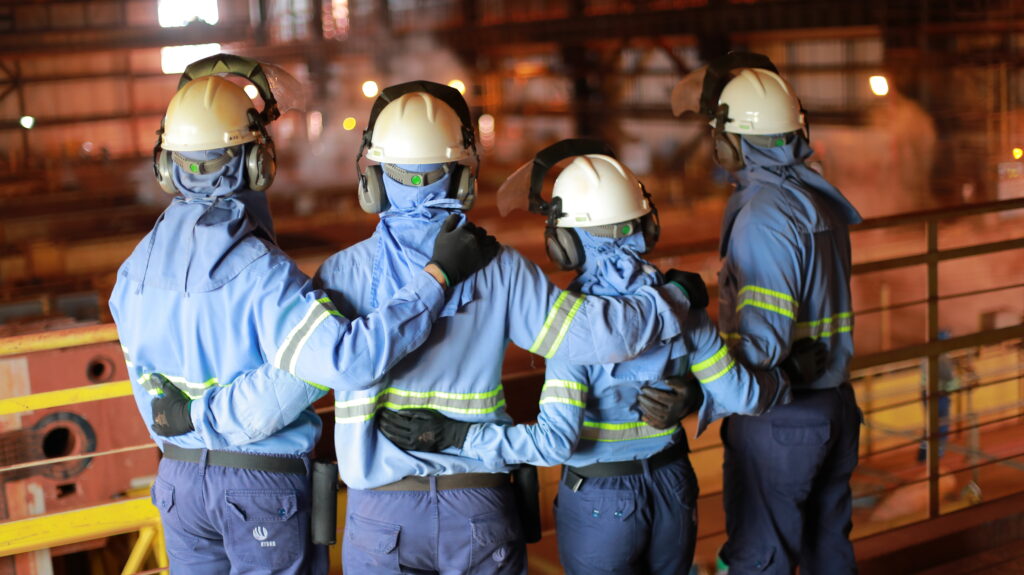
- Start now: Don’t wait for perfect conditions — act on what’s feasible today
- Context matters: Tailor solutions to local energy, infrastructure, and resource availability
- Electrification works: When clean power is available, it’s often the most efficient path
- Circularity adds value: Biomass and waste-to-energy can be powerful tools
- Policy alignment helps: Even indirect incentives (e.g., tax agreements) can support action
- Transparency is key: Verified carbon data is essential — but costly to implement
- Leadership drives change: Hydro’s corporate climate goals catalysed investment in Brazil
We’re not waiting for a Big Bang solution to solve everything. Each year, we just try to get a little better.
— Sandy Sutherland
SVP of Strategy, Energy and Sourcing at Hydro Alunorte
A model for industrial pragmatism
The broader lesson from Hydro Alunorte’s experience is that industrial decarbonisation is not a binary choice between status quo and radical transformation. Instead, it is a continuum of incremental improvements, each building on the last. By focusing on what is feasible today, whether it’s fuel switching, biomass integration, or partial electrification, companies can make meaningful progress without waiting for perfect conditions. This approach not only reduces emissions but also enhances competitiveness, community relations, and long-term resilience. As the world grapples with the challenge of decarbonising heavy industry, Alunorte offers a replicable blueprint: one that balances ambition with realism, and long-term vision with immediate action.