Infinium Roadrunner
From Pathfinder to Roadrunner: Infinium is scaling up the future of clean aviation fuels by building the world’s largest eSAF facility in Texas, using a replicable blueprint.
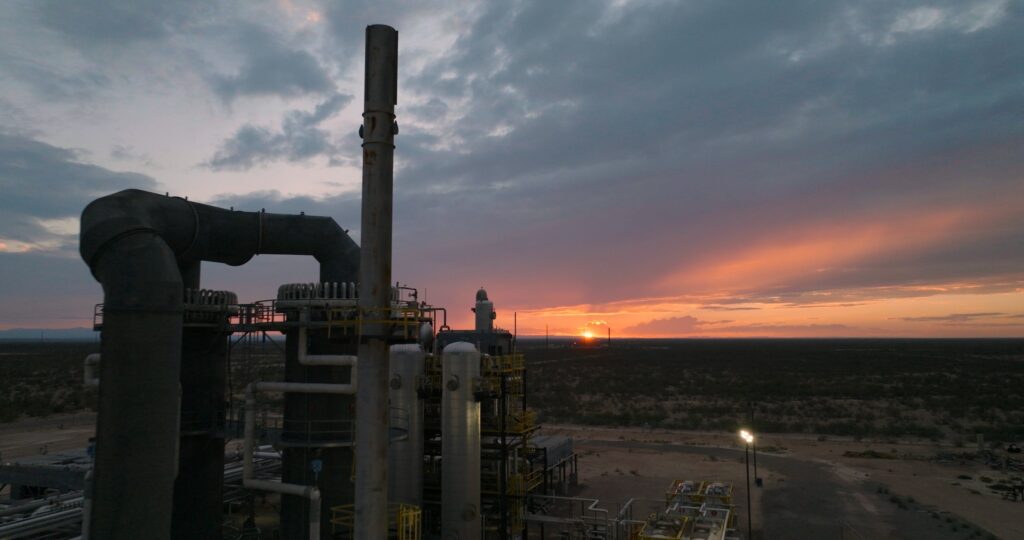
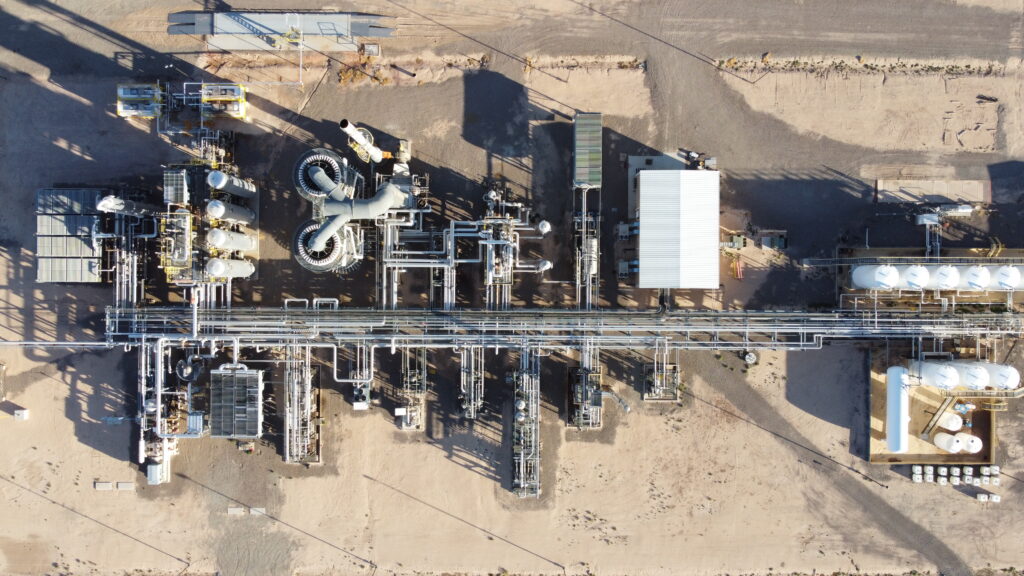
Having established the world’s first operational eSAF plant, Infinium is now under construction on Project Roadrunner in Texas, set to be the world’s largest eSAF facility. The project demonstrates how clean fuels can be deployed at speed and scale, providing a replicable model for global expansion.
| KEY FACTS | |
|---|---|
| Official project name | Infinium Roadrunner |
| Location | Pecos, Texas, United States |
| Project stage | Under construction |
| Sector | Sustainable Aviation Fuel (eSAF) |
| Investment | Undisclosed, financial backers – affiliates of Brookfield Asset Management, Breakthrough Energy Catalyst, HSBC and Infinium |
| Capacity | 23,000 tonnes per year of eSAF and other e-fuel products |
| Customers | Offtake agreements with American Airlines and IAG |
| Key milestones | • 2020: Infinium launched with a focus on deploying commercial ultra-low carbon fuels • 2021-23: Pathfinder project developed as the first integrated e-fuel facility • 2023: Pathfinder operational, proving technology at scale • 2024: Roadrunner reaches final investment decision (FID) and begins construction • 2025: Construction continues on Roadrunner alongside additional project development |
Project and company vision
Founded in 2020, Infinium was launched to bring commercial ultra-low carbon fuels into practice, combining technical credibility with the scale and discipline of industrial production. Building on more than a decade of technological research and development in CO₂ conversion, gas-to-liquids processes and methane mitigation at Greyrock Energy (acquired by Infinium in 2025), the company secured early backing from strategic investors including Amazon, Mitsubishi Heavy Industries and AP Ventures.
By 2020, market and regulatory conditions had become favourable: emerging policies in the European Union and California were supporting clean fuels, price signals were aligned and investors were showing strong interest in low-carbon solutions. Amazon, for instance, was particularly interested in e-fuels to reduce emissions from its supply chain. These conditions created the ideal environment for Infinium to move rapidly from technology demonstration to project deployment.
Rather than licensing its technology, Infinium chose to demonstrate it directly. Pathfinder, the world’s first integrated e-fuels plant, provided operational proof, credibility with regulators and the confidence to scale. The project established a blueprint for engineering design, financing and offtake models, all lessons now embedded in Project Roadrunner.
The next steps, delivering at commercial scale
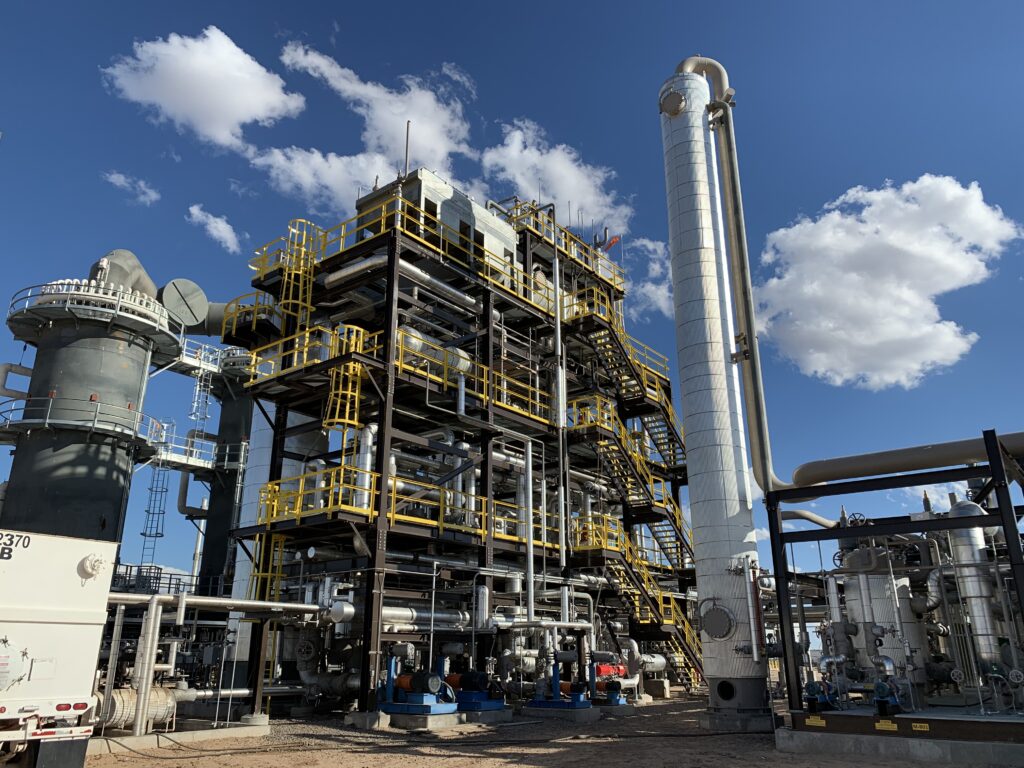
Using CO₂ from a local midstream oil operator and powered by renewable energy, the Roadrunner facility will produce 23,000 tonnes of eSAF annually for use in the US and UK. The same flexible technology used at Roadrunner can produce eSAF, e-diesel, or e-naphtha, providing a foundation for future projects as Infinium expands its portfolio.
The project demonstrates how clean fuels can be integrated into existing industrial and energy ecosystems. Located in West Texas, a region with skilled labour and oil and gas infrastructure, Roadrunner contributes to local economic development, creating high-quality, full-time jobs in remote areas and stimulating investment in infrastructure and community development.
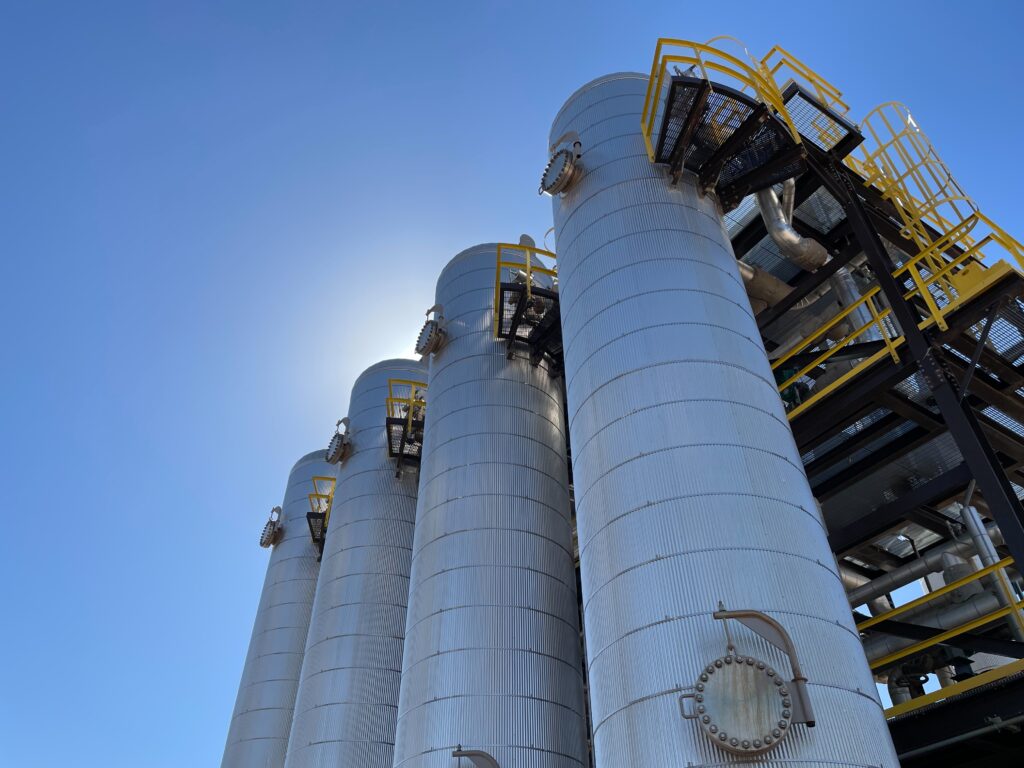
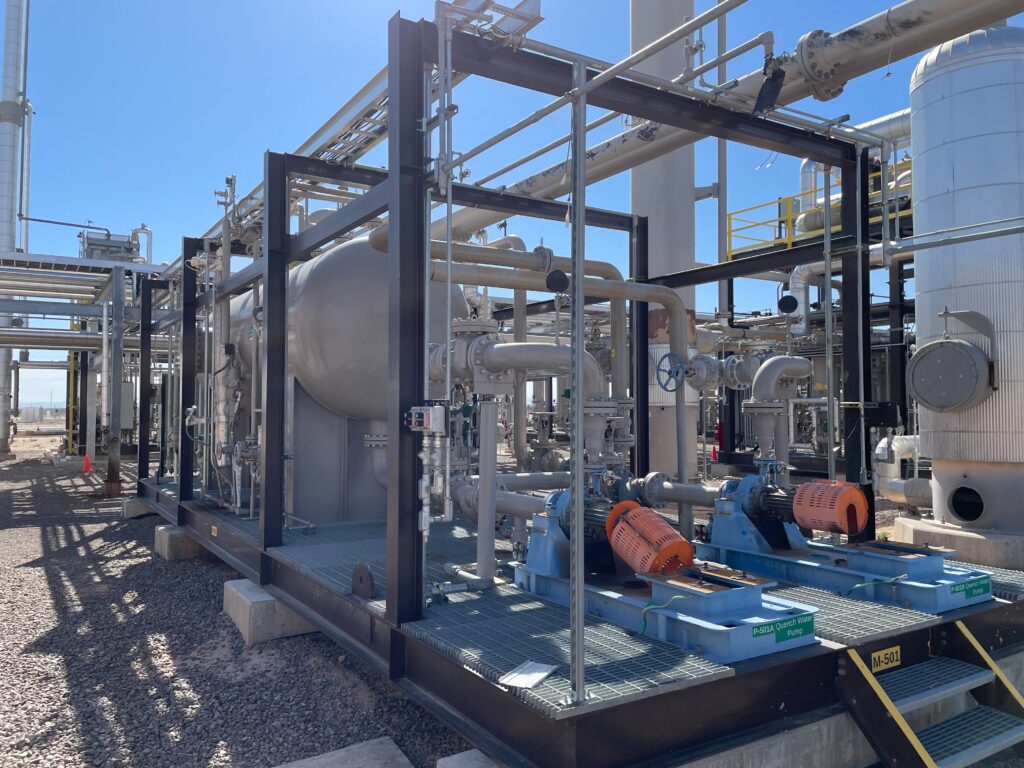
Infinium’s design philosophy is based on replication. Roadrunner is structured in modular “train” configurations, similar to LNG projects, enabling future plants to be deployed quickly and cost-effectively. Its technology eliminates the wax refining stage, lowering costs through its higher conversion efficiency and more tailored output.
Infinium launched its first Pathfinder project in the United States, where strong policy support, established infrastructure and streamlined development pathways helped accelerate deployment. As the policy landscape changes, however, the playing field is being levelled, with other regions becoming increasingly competitive locations for new projects. The company is already exploring opportunities in areas with abundant renewable energy and CO₂ supply, including Norway, South America and the Middle East.
Infinium aims to remain flexible across markets, supplying voluntary corporate buyers seeking to decarbonise their supply chains as well as operating in policy-driven markets such as the UK and EU, while preparing for emerging regulation in East Asia.
Even in the US, voluntary demand continues to grow. Many of our existing partners remain highly motivated and willing to expand their adoption of clean products.
— Liz Myers
SVP of Strategy & Solutions, Infinium
Challenges
Despite having proven technology, Infinium faced several challenges while advancing Roadrunner from the concept stage to FID and beyond.
- Educating stakeholders: Infinium had to familiarise investors, regulators and customers with the concept of eSAF and CO₂-to-fuel conversion – demonstrating the benefits, explaining life-cycle carbon reductions and highlighting operational reliability.
- Financing: Despite the risks of pioneering projects, Infinium has attracted both equity and debt investors. Roadrunner was initially financed entirely through equity, but recently secured debt financing from HSBC – a rare step for an emerging technology.
- Structuring contracts: Feedstock supply, offtake, construction and financing agreements all required careful design. Infinium spent a considerable amount of time ensuring that contracts balanced risk across multiple parties, ensuring that no single stakeholder was over-exposed. This effort was essential to building investor confidence, unlocking commercial financing and maintaining flexibility in operations.
- Navigating policy uncertainty: While the EU and UK have robust SAF mandates, US policy frameworks are still in development. Despite the potential for policy shifts, Infinium made the strategic decision to proceed with Roadrunner project development, demonstrating confidence in the technology and market demand.
- Scaling technology: Proven processes needed to be integrated at new commercial volumes, requiring careful engineering and risk management.
- Balancing product mix: Although eSAF is the most commercially valuable product, Infinium’s technology allows the production of other fuels, such as e-diesel and e-naphtha. Careful planning and flexibility were required to determine the optimal production ratio while satisfying contracts, maximising revenue, and managing costs.
We want to scale up quickly, but it’s also important to do so thoughtfully and in a staged manner. Our goal is to balance speed with continuously testing our blueprint and maintaining investor confidence.
— Liz Myers
SVP of Strategy & Solutions, Infinium
Lessons learnt
- First movers can set the pace: Pathfinder showed the value of moving early at a small scale, to prove concept, establish credibility and build market confidence
- Flexible design builds resilience: hands-on involvement and willingness to adapt – across design, engineering and deployment – enables complex, first-of-a-kind facilities to succeed.
- Policy alignment is key to long-term viability: Staying informed and adaptable in a fast-evolving regulatory environment ensures that projects remain financially and operationally sustainable.
- Commercial agreements are as important as technology: Structuring contracts to balance risk, ensure reliability and facilitate financing is key to any pioneering project.
- Partnerships are foundational: early engagement with strategic investors, resilient offtakers, local authorities and suppliers is crucial to project success.
Looking ahead
Infinium’s journey from commissioning the world’s first e-fuel facility to scaling up global production demonstrates the company’s ability to turn innovative technology into real-world impact. By combining operational expertise, strategic partnerships, and thoughtful project execution, Infinium is addressing critical gaps in sustainable fuel supply while supporting economic development in local communities. Roadrunner will not only be the world’s largest eSAF facility, but also a blueprint for how clean fuels can move from plans to plants globally.