Repsol Ecoplanta
Repsol Ecoplanta is turning waste into renewable methanol at Europe’s first circular commercial plant, demonstrating a new model for chemicals and fuels.
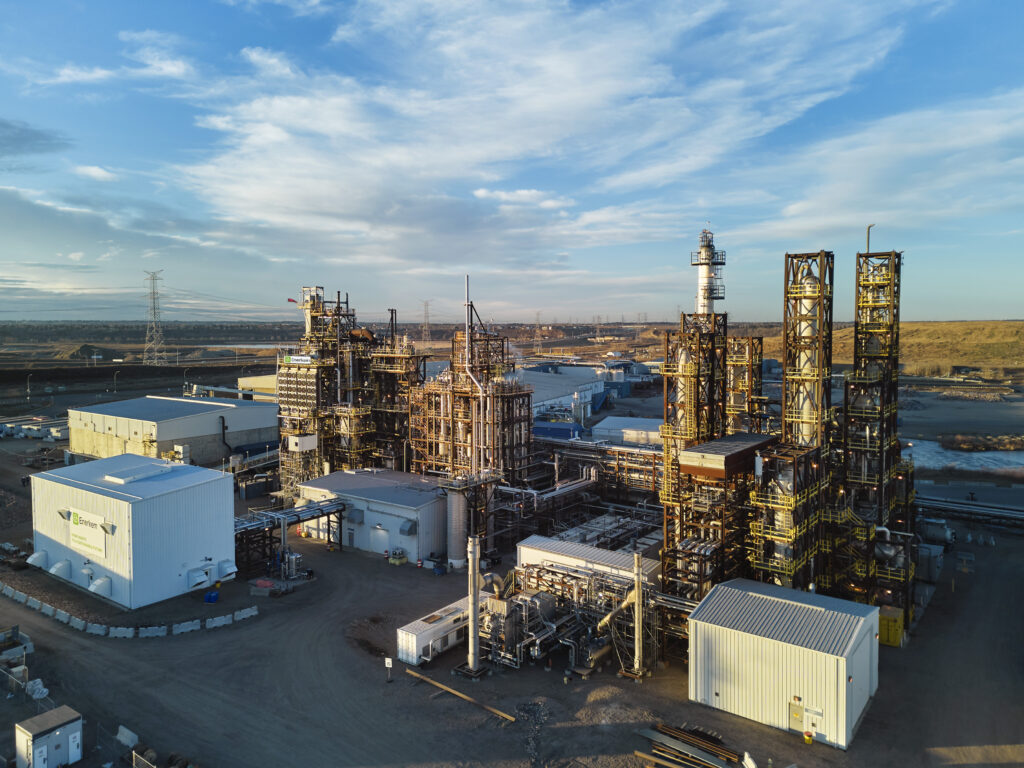
Repsol’s Ecoplanta project in Tarragona pioneers renewable fuels at commercial scale. It demonstrates how an oil and gas incumbent can take risks, integrate innovative technologies and help create new markets, all while delivering benefits for society through diverting landfill, reducing emissions and creating new jobs.
| KEY FACTS | |
|---|---|
| Official project name | Repsol Ecoplanta |
| Location | Tarragona, Spain |
| Project stage | Under construction |
| Sector | Chemicals, methanol |
| Total project investment | €800 million |
| Capacity | 240,000 tonnes per annum (ktpa) of biomethanol |
| Jobs | 340 direct, indirect and induced jobs, as well as some 2,800 jobs during construction |
| Partners | Repsol (lead developer), Enerkem (technology provider) |
| Key milestones | • Publicly announced in April 2021 • Awarded EU Innovation Fund grant in March 2022 • Repsol became a shareholder in technology provider Enerkem in 2022 • Reached FID in January 2025 • Aiming to be operational in 2029 |
Project and company vision
Repsol, the Spanish energy multinational, has reached final investment decision (FID) on its FOAK (First of a kind) Ecoplanta facility in Tarragona, representing Europe’s first commercial-scale plant to produce renewable methanol from biomass through gasification technology.
The €800+ million investment in Ecoplanta is part of Repsol’s broader strategy to diversify its energy portfolio through renewable fuels, circular economy solutions and low-carbon technologies. Alongside Hydrotreated Esters and Fatty Acid (HEFA) fuels, renewable hydrogen, biomethane and e-fuels, Repsol is pursuing waste-to-methanol as a critical pathway to reduce emissions, create value from discarded materials and capture emerging markets in clean chemicals and transport.
The Ecoplanta project is at the crossroads of two different EU regulations: the Waste Management Directive and the Renewable Energy Directive.
— David Pérez Gonzalo
Senior Project Manager for Renewable Fuels at Repsol
The company sees Ecoplanta as a flagship in this transition: Europe’s first commercial-scale facility converting Municipal Solid Waste (MSW) to methanol, strategically located near Barcelona, where abundant non-recyclable waste provides a secure feedstock base. The project is not just an industrial investment, but also a statement of intent: positioning Repsol at the forefront of new fuel markets while helping society tackle landfill and reduce CO₂.
Without Ecoplanta, municipal waste would likely end up in landfills or be incinerated.
— David Pérez Gonzalo
Senior Project Manager for Renewable Fuels at Repsol
Project overview and technical innovation
Ecoplanta will process residual MSW that cannot be recycled and is typically rejected by sorting centres. Instead of going to landfill or incineration, this feedstock will undergo gasification to produce synthesis gas (syngas), which is then subsequently converted into methanol.
- About 70% of carbon is recovered, representing significant emissions reductions compared to conventional landfill disposal.
- The plant will have capacity to process up to 400,000 tonnes of municipal solid waste per year, converting this into 240,000 tonnes of renewable fuels and circular products. The facility’s modular design reflects careful consideration of scale optimisation versus feedstock risk management.
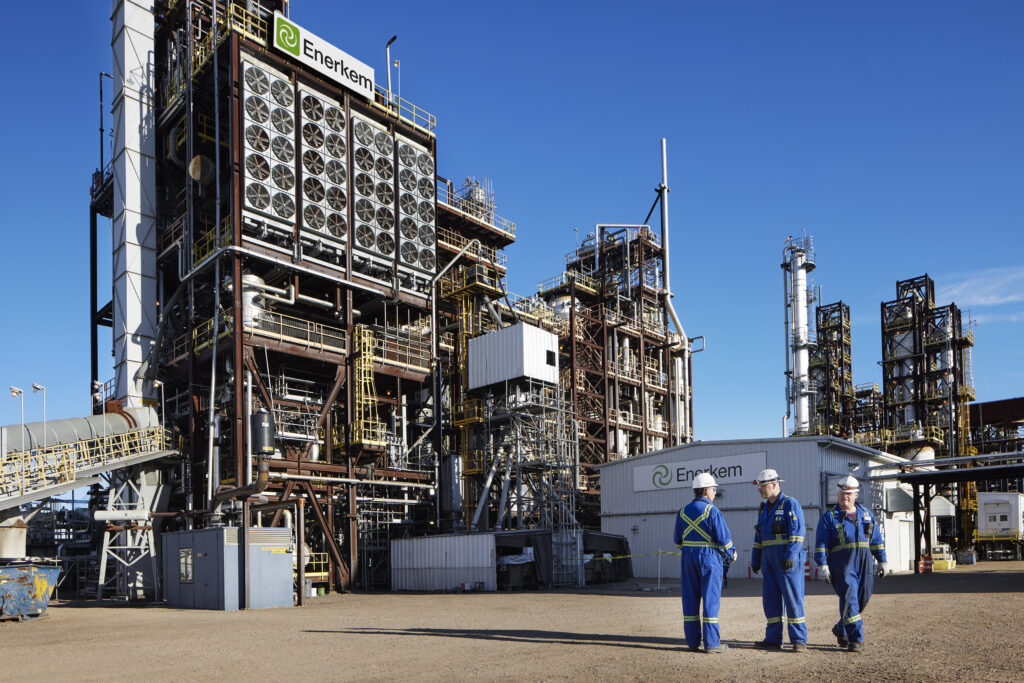
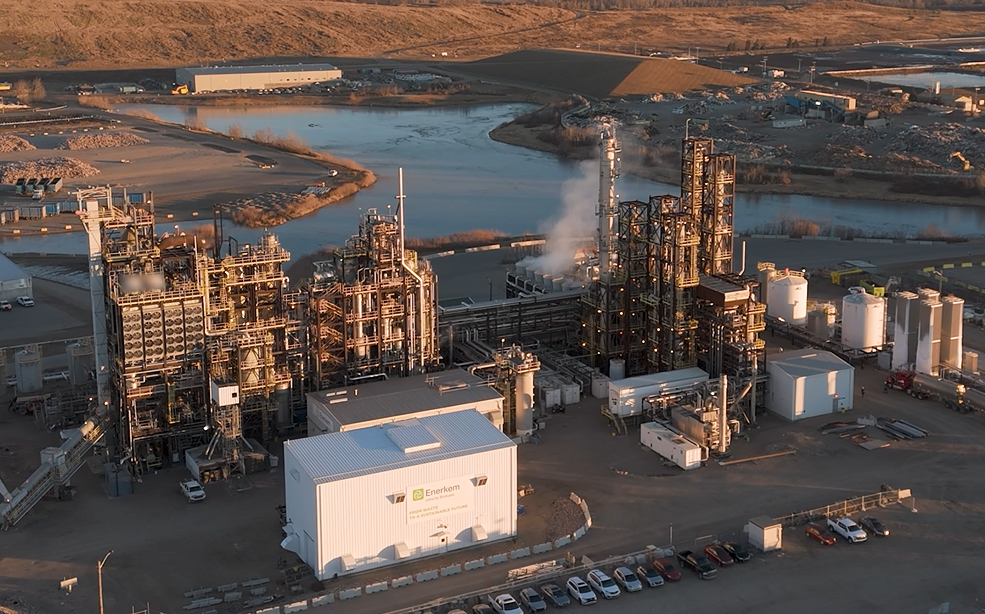
- The facility employs advanced gasification technology supplied by Enerkem, a Canadian company in which Repsol became a shareholder in 2022. The process has been proven through a large demonstration plant in Canada which helped to de-risk the investment, providing confidence for FID.
Commercial strategy and market positioning
Ecoplanta demonstrates sophisticated market positioning through its dual-product capability. The methanol produced can serve two distinct market segments:
Chemicals: Methanol as a building block for olefins (a carbon-based molecule used for everyday products like synthetic materials and plastics) and other products, supporting circularity in the petrochemicals industry. This application aligns with a growing demand for circular chemical feedstocks and enables integration with Repsol’s existing chemicals operations.
By locating Ecoplanta within an existing industrial site, the project unlocks key synergies—especially in energy and utilities integration, such as access to hydrogen.
— David Pérez Gonzalo
Senior Project Manager for Renewable Fuels at Repsol
Renewable fuels: Methanol serves multiple end markets including maritime fuel, road and aviation fuel.
While the priority today is renewable fuels, driven by EU Renewable Energy Directive, ReFuel Aviation and FuelEU Maritime and upcoming International Maritime Operations (IMO) shipping regulations, the ability to flex between these applications provides commercial resilience, allowing the facility to respond to evolving market dynamics and regulatory frameworks across both markets.
While the balance between biofuels and chemical production remains flexible, current EU regulation on renewable fuels is more advanced than the framework governing circularity.
— David Pérez Gonzalo
Senior Project Manager for Renewable Fuels at Repsol
Repsol’s vertically integrated business model strengthens this position. As both producer and offtaker, the company can secure stable demand through its own operations while retaining the option to sell into external markets when conditions are favourable.
The facility will be incorporated with Repsol’s industrial complex in Tarragona, enabling operational synergies, shared infrastructure utilisation and optimised logistics arrangements.
Financing
Ecoplanta has secured €106 million in non-repayable funding from the EU Innovation Fund, supporting the development of this pioneering waste-to-methanol project.
Repsol’s FID on Ecoplanta was made at an advanced stage of engineering development, consistent with industry practices for projects of this nature. This reflects the company’s confidence in the technology and market potential, while demonstrating a pragmatic and efficient approach to project delivery. This approach demonstrates the company’s confidence in the underlying technology and market opportunity whilst exemplifying pragmatic project development practices.
Risk management and regulatory context
The project benefits from relatively low feedstock risk. Municipal solid waste—particularly the non-recyclable fraction—remains a consistent and underutilised resource. While this feedstock offers a far better environmental alternative to landfill disposal, a substantial amount of waste still ends up in landfills today, underscoring the need for more effective recovery solutions like Ecoplanta.
Repsol’s selection of Enerkem’s gasification technology reflects careful technology risk assessment. The technology had been demonstrated in Enerkem’s Canadian operations prior to the Ecoplanta FID, providing crucial proof of concept and operational experience. This established track record was essential for securing project financing and regulatory approvals.
Regulatory context remains the most uncertain factor. The EU Innovation Fund supported the project with €106 million. However, broader regulation for renewable fuels and circular methanol is still unclear. Repsol’s financial strength allows the project to advance, but the lack of clarity is a huge burden for smaller developers.
The fact that an integrated company like Repsol is leading such a project reduces the offtaking risk because we could use the methanol for our own demand.
— David Pérez Gonzalo
Senior Project Manager for Renewable Fuels at Repsol
Challenges
- First-mover barriers: Obtaining permits (even without new land requirements) was complex – regulation is not prepared for new technologies, so specific communication work is needed to the authorities.
- Regulatory issues: Unclear frameworks for renewable fuels in Europe create risk for market demand and financing.
- Administrative demands: Applying to the EU’s Innovation Fund was valuable but resource-intensive.
When you’re the first one to do something, it’s always more challenging. If there were more examples of gasification projects, the process would probably be easier.
— David Pérez Gonzalo
Senior Project Manager for Renewable Fuels at Repsol
Lessons learnt
- Vertical integration has reduced risk: Being both producer and offtaker improves bankability and commercial resilience.
- Strategic partnerships don’t need to be financial: Technology alliance with Enerkem is key for derisking the project.
- A thorough derisking process is essential for a FOAK project like Ecoplanta, covering all development stages from laboratory research to demonstration plant implementation.
Future expansion
Repsol anticipates that subsequent plants will benefit from enhanced efficiency through learning curve effects and improved regulatory clarity. The modular design philosophy enables standardisation and replication across different locations, supporting broader deployment of the technology.
The company’s expansion strategy encompasses different types of green fuel technologies, recognising that diverse approaches will be required to meet society’s decarbonisation requirements across multiple sectors and applications.
As Europe’s first commercial-scale renewable and circular methanol facility, Ecoplanta highlights how waste-to-methanol can deliver economic, social and climate benefits. By combining a bold investment strategy with innovative technology and strong integration, Repsol is laying a foundation for replication in other urban centres and demonstrating that oil and gas incumbents can pivot into clean industry whilst remaining commercially viable.