Trade
Creating the connectivity needed for clean commodities to move across borders.
Why it matters
Industrial value chains are global today and are likely to remain so. Fuels, chemicals and metals are traded internationally, and the most competitive clean industrial value chains will be those built deliberately across borders – combining renewable energy, feedstocks, technology and end-markets from different parts of the world. For project developers, that means trade conditions determine whether they can source the best inputs at the lowest cost, and export production to the most promising markets.
Where are we now
Against a backdrop of increasing trade tensions, global trade flows are rebalancing, and clean industry will help determine what gets produced where in the future– with lower-cost renewable regions supplying where local capacity falls short. Projects are actively pursuing cross-border commercial partnerships and governments can now start exploring which alliances will serve their strategic objectives, but three barriers persist: fragmented demand too small to underpin commercial-scale investment; incompatible carbon accounting and certification standards; and first-mover risk, since no country wants to move first alone.
Early partnerships are starting to test the fix: the EU’s Clean Trade and Investment Partnerships, and Australia–Korea’s corridor on standards and de-risking. Both face the key question of how to protect national strategic interests at home – protecting value and jobs locally – while ensuring resilience and long-term competitiveness. Where interests converge, the tools are starting to emerge: market access deals, market-makers like H2Global, and export credit agencies de-risking construction.
TradeBright Spots
-
AM Green
Pioneering new cross border trading relationships
-
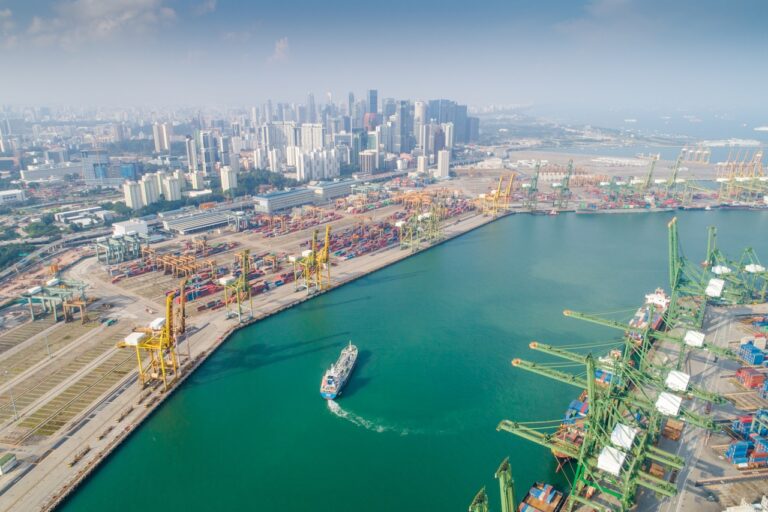
ITOCHU Singapore Ammonia Bunkering Initiative
ITOCHU’s Singapore Ammonia Bunkering project is driving forward the use of clean ammonia as a marine fuel
-
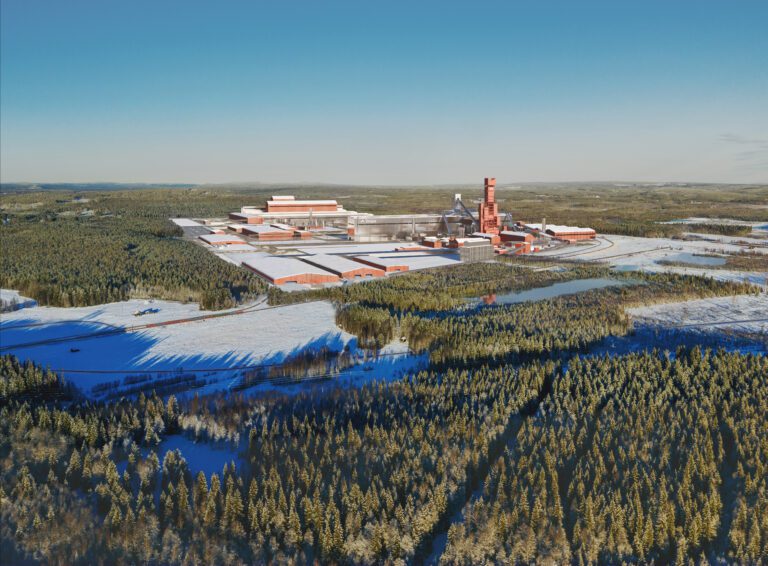
Stegra
Stegra is transforming the future of low-carbon steel production with its hydrogen-powered facility in Boden, Sweden.
-
Meranti Green Steel
Meranti Green Steel is spearheading green steel development in Asia-Pacific.
-
Acelen Renewables
The company is establishing a $3 billion "seed to fuel" project in Brazil to produce up to 1 billion litres of Sustainable Aviation Fuel (SAF) yearly from the native macaúba fruit.
Levers to progress acceleration
By tracking global progress across sectors and exploring what has propelled that progress, we have identified six key levers that improve market conditions, unlock investment and accelerate a large-scale shift in the clean industrial transition.