Energy
Ensuring reliable access to cheap and abundant clean energy.
Why it matters
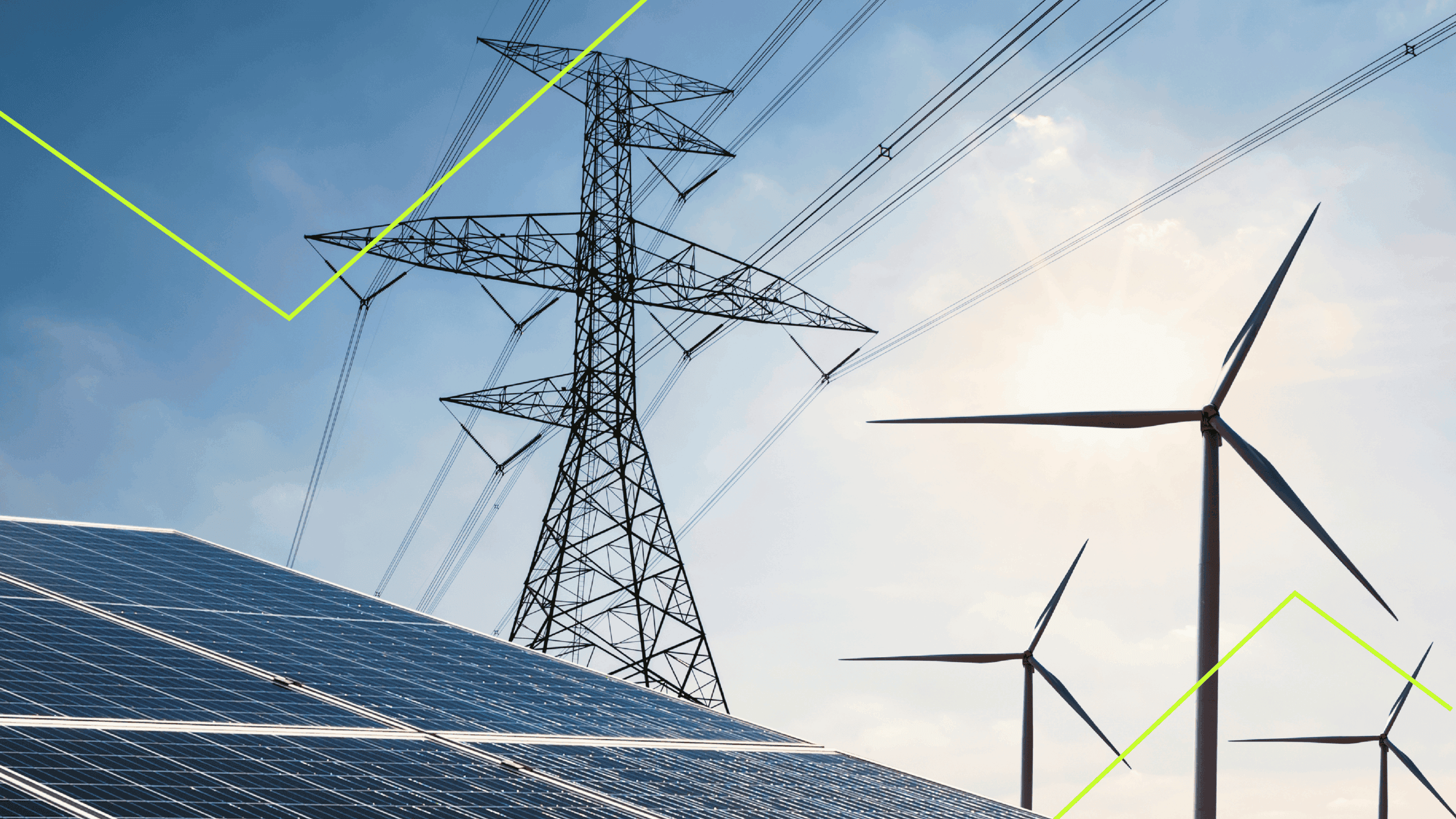
Reliable access to clean energy that is cheap and abundant is critical for heavy industry to decarbonise and reduce the cost gap with fossil-based production. These sectors – aluminium, cement, chemicals, steel, aviation and shipping – are among the most energy-intensive activities in the global economy: industry accounts for around 25% of global primary energy demand. A single new aluminium smelter requires approximately 11 TWh of dedicated electricity, equivalent to the annual power needs of a city the size of Boston. Industrial users are competing for the same limited supply of clean electricity as data centres and residential demand, both of which can often pay significantly more per megawatt-hour.
That competition is only going to intensify as the pipeline grows, electrification accelerates and the AI boom continues: over 800 planned projects across 70 countries are in development and will require around $3.2 trn in associated renewable energy build out (renewables and batteries). Securing clean, affordable and abundant power will determine whether these clean industrial plants can actually get built – and how fast.
Where are we now?
Demand for clean energy from heavy industry is scaling up fast, and it is doing so at a moment when overall electricity demand is also scaling rapidly, driven by electrification across the economy and the rise of AI data centres. This creates a supply-side challenge on several fronts at once. While global renewable capacity is expanding quickly, industry’s ability to access it is constrained by market design issues, including limited access to Power Purchase Agreements (PPAs) amid growing competition for them; by the pace at which new capacity can be built and brought online; and by grid connection queues, which in many markets now stretch years due to infrastructure bottlenecks. These constraints matter because industry needs clean electrons for two distinct purposes: to convert existing electric processes to renewable power, and to enable electrification – direct and indirect, the latter via hydrogen – for processes that electricity alone cannot reach. Securing these energy inputs at the right scale, speed and cost is therefore a critical factor in investment decisions and in industry’s long-term competitiveness.
EnergyBright Spots
-
CISRI Linyi
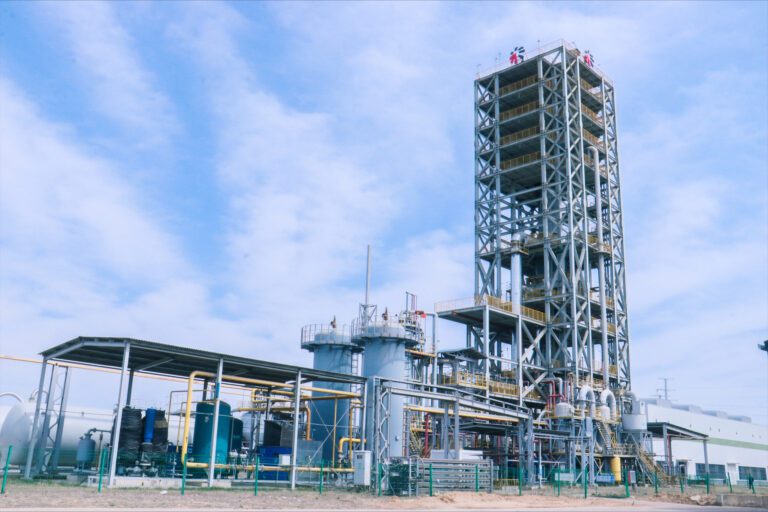
CISRI's Linyi project is an industrial-scale pure-hydrogen direct reduced iron (DRI) plant in Shandong, China — a world-first demonstration proving near-zero-carbon steelmaking and already seeding a wave of commercial-scale green steel projects.
-
China Hongqiao Group
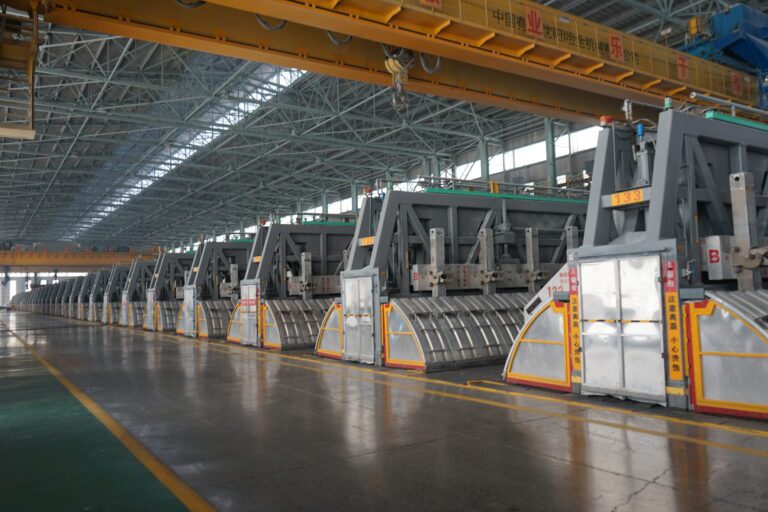
China Hongqiao Group is moving over 60% of its aluminium production from coal-based Shandong to renewables-rich Yunnan Province to accelerate its major decarbonisation strategy.
-
Envision
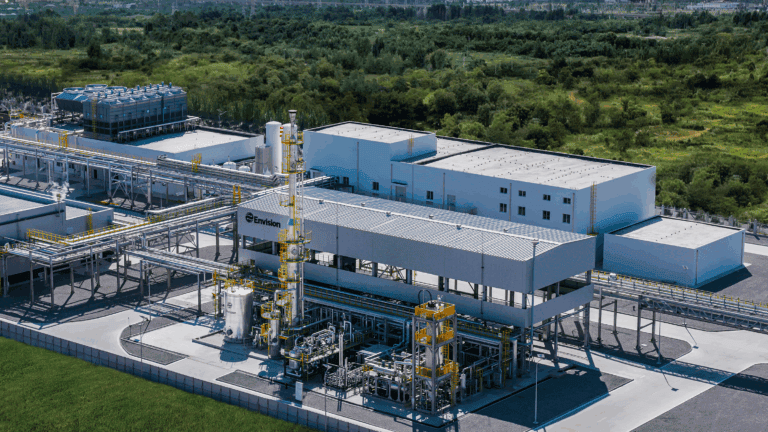
Green hydrogen and ammonia are essential for the transformation to clean industry and the Chifeng Green Hydrogen Net Zero Industrial Park is leading the way.
-
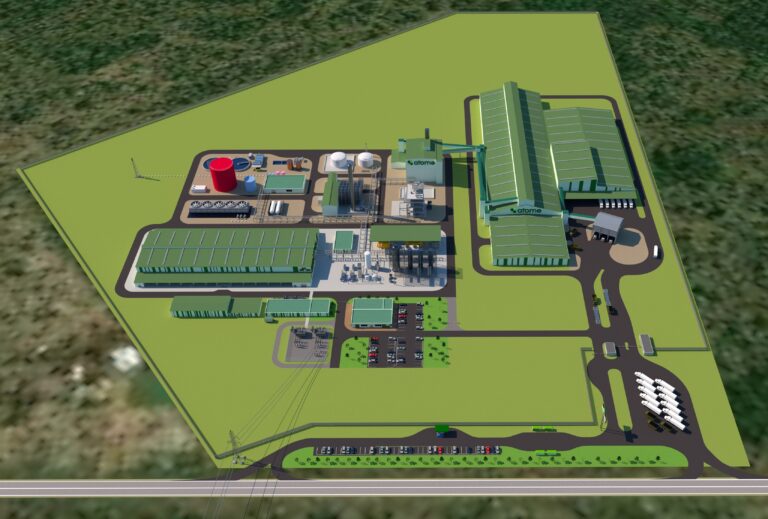
ATOME Villeta
Building Latin America’s first industrial-scale low-carbon fertiliser plant, ATOME Villeta will use Paraguay's hydropower to produce green CAN fertiliser with a 10-year Yara offtake.
-
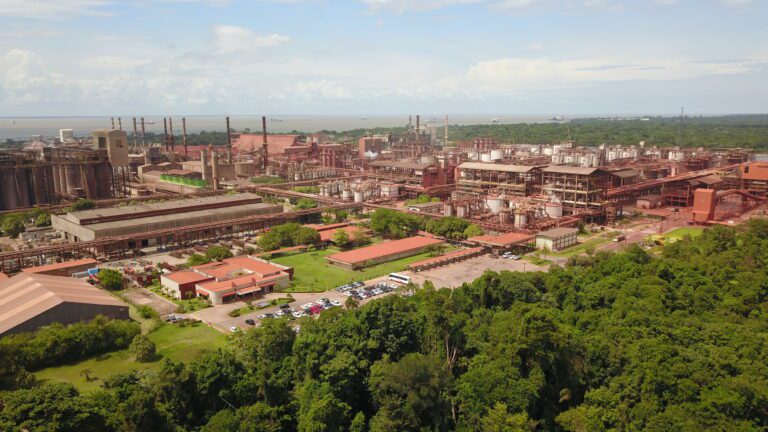
Hydro Alunorte
Hydro Alunorte, the world's largest alumina refinery, is using fuel switching, electrification powered by Brazilian renewables, and biomass integration to drive deep emissions cuts.
Levers to progress acceleration
By tracking global progress across sectors and exploring what has propelled that progress, we have identified six key levers that improve market conditions, unlock investment and accelerate a large-scale shift in the clean industrial transition.
- Markets
- Energy
- Supply Chains
- Trade
- Communities
- Finance