Supply Chains
Building the coordinated and resilient equipment, feedstock and service supply chains on which clean industry depends.
Why it matters
Clean industry projects rely on complex networks of technology providers, feedstock suppliers, service providers and downstream customers. While all supply chains are complex, clean industry’s supply chains are often new – the technology, relationships, standards, and infrastructure are all being built from scratch – which is why they’re often subscale, fragmented and costlier than they could be. The onus is on projects to work through the elements they need in sequence: sourcing reliable inputs, then structuring and scaling the supply chain itself, derisking that scale-up through mechanisms like offtake and blended finance, and finally establishing the underlying infrastructure and standards – from pipelines and shared networks to consistent low-carbon definitions – that let the whole chain operate efficiently.
Where are we now?
Right now, too much is happening on a project-by-project basis – company-level procurement, long-term partnerships, joint ventures and even vertical integration. This fragmented approach means that sourcing is often concentrated with resilience risks; the supply chain’s early stage and lack of scale keep costs higher; and shared infrastructure – hydrogen and CO2 transport networks, ports and bunkering – is still being built at project, rather than sector-wide, scale. Coordination is key, but currently, few sectors have achieved the kind of value chain collaboration between technology and feedstock suppliers, developers and offtakers that is needed to overcome these barriers, and unlock cost reductions.
Supply ChainsBright Spots
-
CISRI Linyi
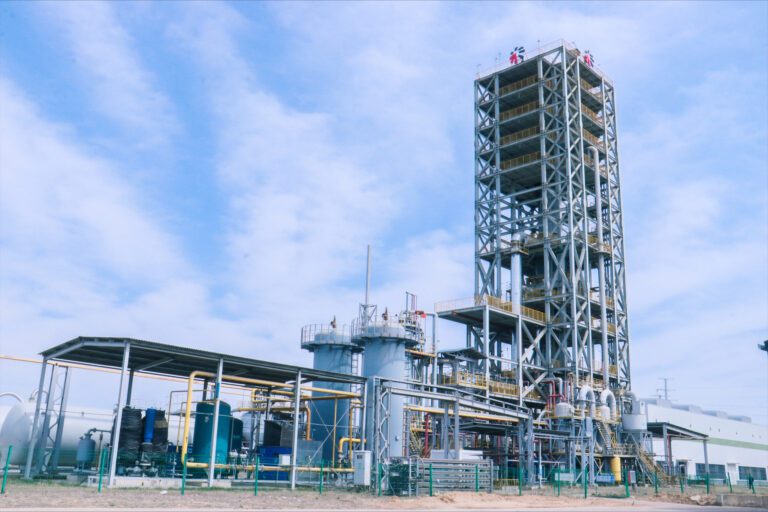
CISRI's Linyi project is an industrial-scale pure-hydrogen direct reduced iron (DRI) plant in Shandong, China — a world-first demonstration proving near-zero-carbon steelmaking and already seeding a wave of commercial-scale green steel projects.
-
European Energy | Kassø
Building the world’s first e-methanol plant
-
Envision
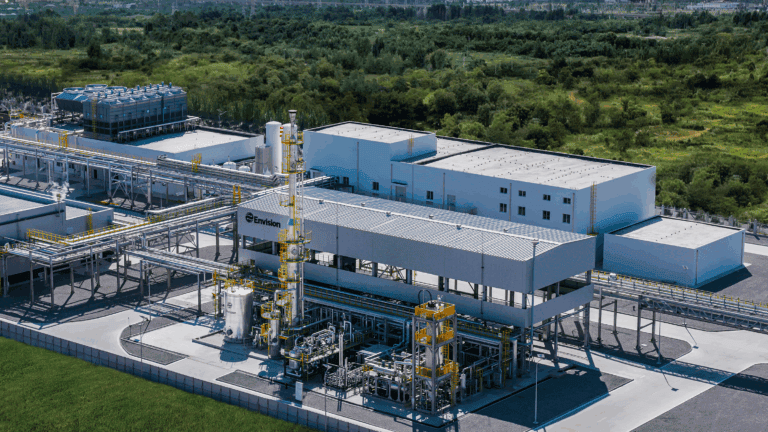
Green hydrogen and ammonia are essential for the transformation to clean industry and the Chifeng Green Hydrogen Net Zero Industrial Park is leading the way.
-
LONGi Green Methanol
LONGi is transforming agricultural waste into low-carbon methanol at its Lianyungang project
-
Repsol Ecoplanta
Repsol Ecoplanta is turning waste into renewable methanol at Europe’s first circular commercial plant, demonstrating a new model for chemicals and fuels.
-
OMV Petrom
OMV Petrom is building Romania’s first large-scale Sustainable Aviation Fuel facility at Petrobrazi refinery.


Levers to progress acceleration
By tracking global progress across sectors and exploring what has propelled that progress, we have identified six key levers that improve market conditions, unlock investment and accelerate a large-scale shift in the clean industrial transition.
- Markets
- Energy
- Supply Chains
- Trade
- Communities
- Finance