Finance
Unlocking the catalytic finance needed to move projects forward.

Why it matters
Many projects struggle to secure finance – both for early development work and for capital expenditure. This usually comes down to a mix of project – or developer-specific risks (such as thin balance sheets, or an unproven track record) and market risks (such as uncertain demand and revenue). Strong projects and supportive policy are not enough on their own to unlock investment at the scale and pace needed: it also takes the right blend of concessional and private finance, adapted to the specific risks facing early movers in capital-intensive industries, to turn promising concepts into bankable investments.
Where are we now?
Concessional finance remains scarce relative to early-stage and first-of-a-kind (FOAK) project needs, and private capital is often reluctant to commit ahead of proven technology and demand certainty. Many strong projects stall before FID – not for lack of merit, but because the way finance is currently structured is not yet built to absorb their risk profile. While MDBs and DFIs have started to respond to the needs of industrial decarbonisation through dedicated initiatives with broad geographical reach (such as CIF’s IDP below) and industry-specific country platforms, these are recent and have not yet translated into an acceleration of the number of clean industrial projects reaching investment, especially FOAK or SOAK (second-of-a-kind) deep decarbonisation projects.
Feedback from project developers and financial institutions points to three areas of intervention with real potential to move the pipeline forward: mobilising concessional finance to scale green offtake through mechanisms like public procurement, contracts for difference, and double auctions; widening access to DevEx funding and technical support, particularly for smaller national producers and new entrants; and pairing concessional and private capital to de-risk early, high-impact first-of-a-kind projects, speeding up FIDs and opening a path to scale.
FinanceBright Spots
-
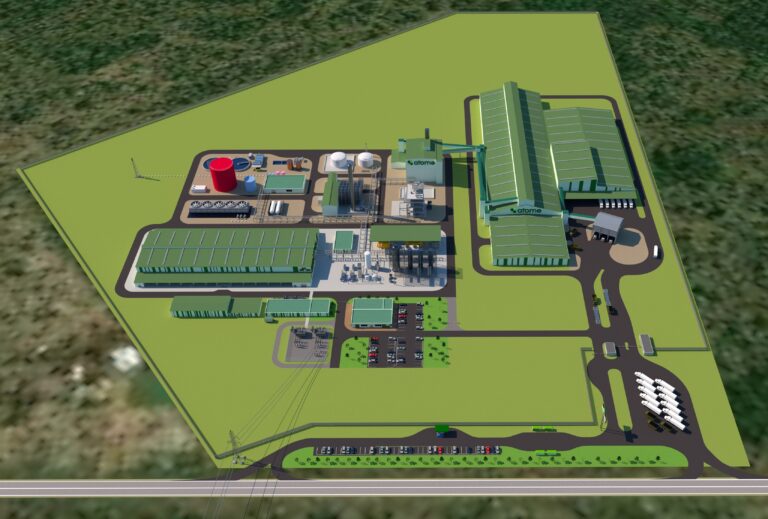
ATOME Villeta
Building Latin America’s first industrial-scale low-carbon fertiliser plant, ATOME Villeta will use Paraguay's hydropower to produce green CAN fertiliser with a 10-year Yara offtake.
-
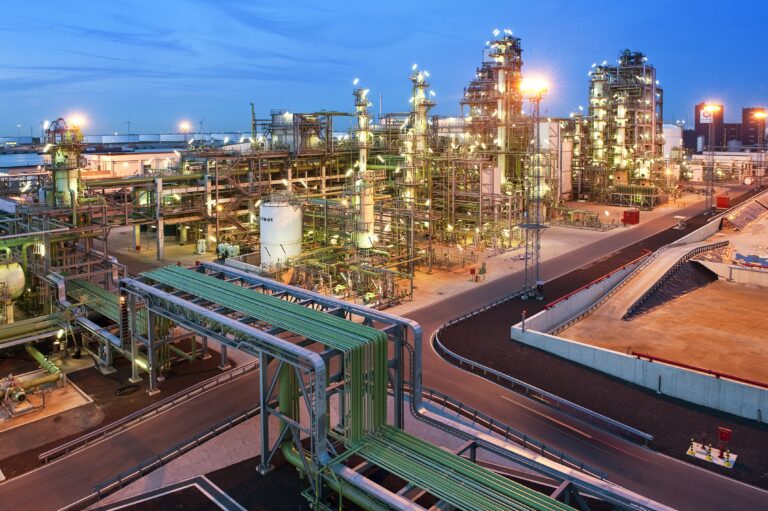
Neste
Neste sees sustainable aviation fuel (SAF) as a key lever to decarbonise the aviation industry, with significant expansion planned for its Netherlands facility.
-
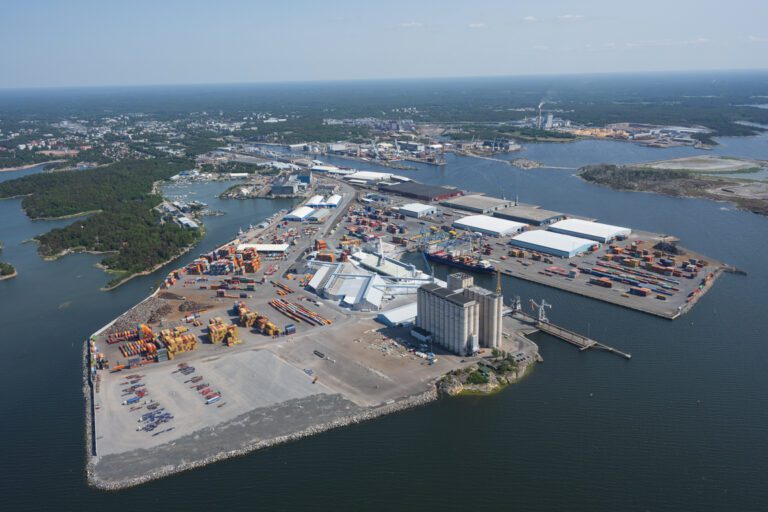
Norsk e-Fuel
Norsk e-Fuel is building one of Europe’s first large-scale power-to-liquid plants, designed to produce around 80,000 tonnes of e-fuels (of which about 80% will be SAF) each year at the Port of Rauma in Finland.
-
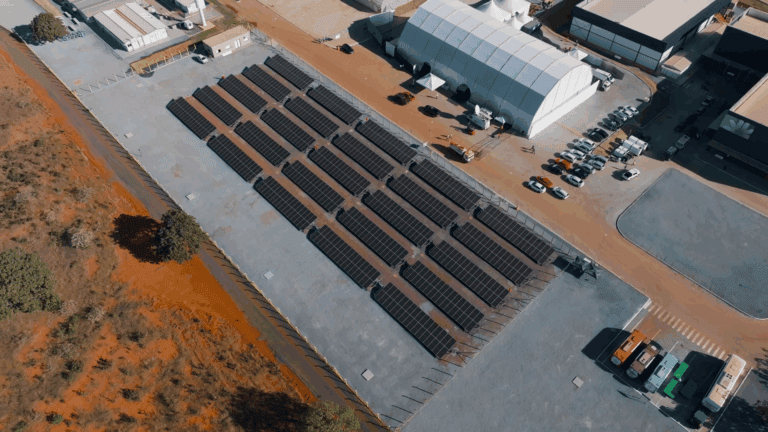
Acelen Renewables
The company is establishing a $3 billion "seed to fuel" project in Brazil to produce up to 1 billion litres of Sustainable Aviation Fuel (SAF) yearly from the native macaúba fruit.
-
CBI Ghana Calcined Clay Project
Pioneering Low-Carbon Cement in Africa, CBI Ghana built the world’s largest flash calciner to set a new global standard for clinker-content LC3 cement at its Tema facility.
Levers to progress acceleration
By tracking global progress across sectors and exploring what has propelled that progress, we have identified six key levers that improve market conditions, unlock investment and accelerate a large-scale shift in the clean industrial transition.
- Markets
- Energy
- Supply Chains
- Trade
- Communities
- Finance